
Baobab landscapes
The broad trunks and spreading branches create a memorable frame for landscape photography.
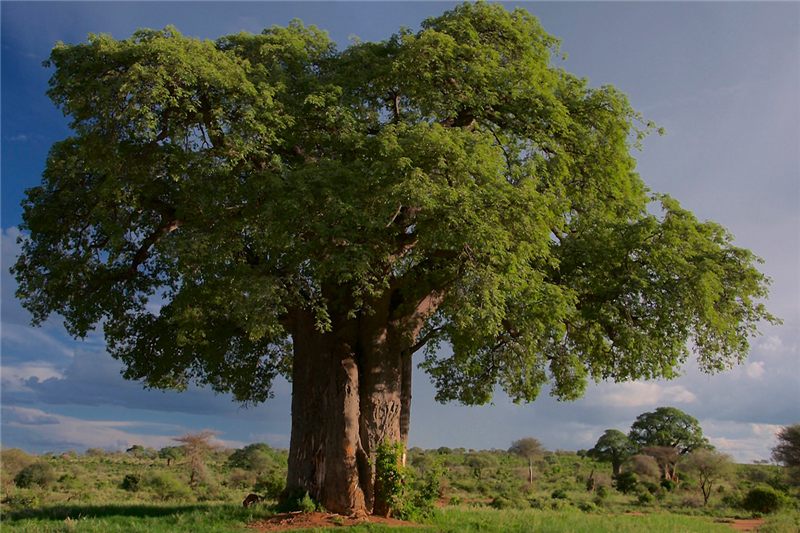
Baobabs & wildlife · Tanzania
Baobab silhouettes, elephant country and a river that draws life through the changing seasons.
Get to know the place
Tarangire is part of Tanzania's northern safari circuit. Its river, open woodland and baobab trees give it a recognisable character distinct from the Serengeti plains or Ngorongoro highlands.
During the drier months, available water becomes an important focus for animals. In greener conditions the surrounding landscape opens up with fresh vegetation and wildlife can be more dispersed. Both perspectives help explain the park's seasonal rhythm.
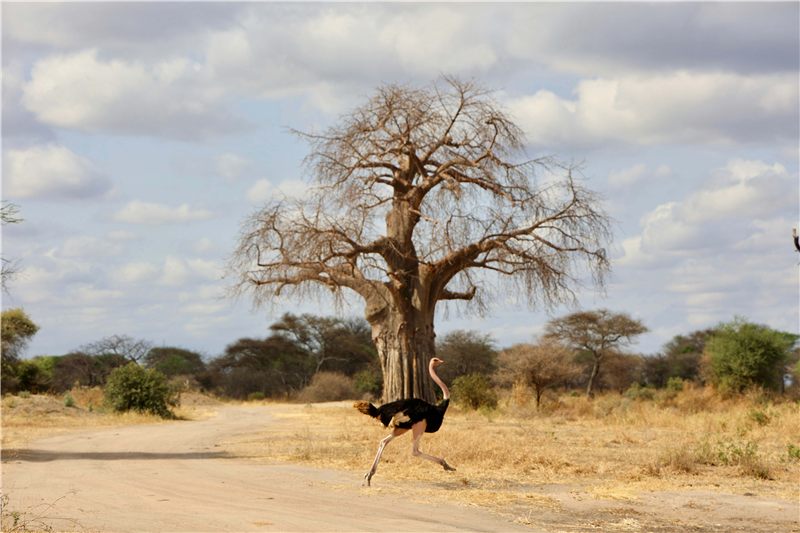
The character of the destination
The broad trunks and spreading branches create a memorable frame for landscape photography.
Follow the water's role in the movements of wildlife through the dry season.
Alternating habitats reward looking beyond the first animal encounter.
Wildlife & nature
Elephants are a defining wildlife interest in Tarangire. Antelope, predators and birds also occupy its river and woodland habitats, making a slower look at the landscape worthwhile.
Place & season
Water availability helps explain why Tarangire changes through the year.
Seasonal patterns are guidance. Weather, wildlife movements and local conditions can change.
Explore the Safari seasonal guideJune–October
Wildlife often gathers nearer remaining water. This is a useful window for a river-focused safari interest.
November–May
Short rains generally occur around November–December and longer rains around March–May. Wildlife may disperse as water becomes more widely available.
Ways to explore this place
Look for elephants and other wildlife while exploring the park's changing habitats.
Explore this interest: Wildlife drivesRiver edges and woodland offer different places to look and listen.
Explore this interest: Birding interestsCompare existing routes that include Tarangire alongside the crater or Serengeti.
Explore this interest: Northern safari combinationsThese are destination interests. The itinerary or proposal confirms the activities and arrangements for your journey.
From a place to a journey
Tarangire · Lake Manyara · Serengeti · Ngorongoro
Explore Tarangire, Lake Manyara, Serengeti, and Ngorongoro on this 5-day itinerary.
View itinerary: 5-Day Tanzania Adventure Camping SafariTarangire · Lake Manyara · Ngorongoro · Serengeti · Zanzibar · Stone Town
Northern safari parks, followed by Zanzibar’s beaches and Stone Town.
View itinerary: 13-Day Luxury SafariTarangire · Serengeti · Ngorongoro
Explore Tarangire, Serengeti, and Ngorongoro on this 4-day itinerary.
View itinerary: 4-Day Tanzania Adventure Camping SafariA closer look
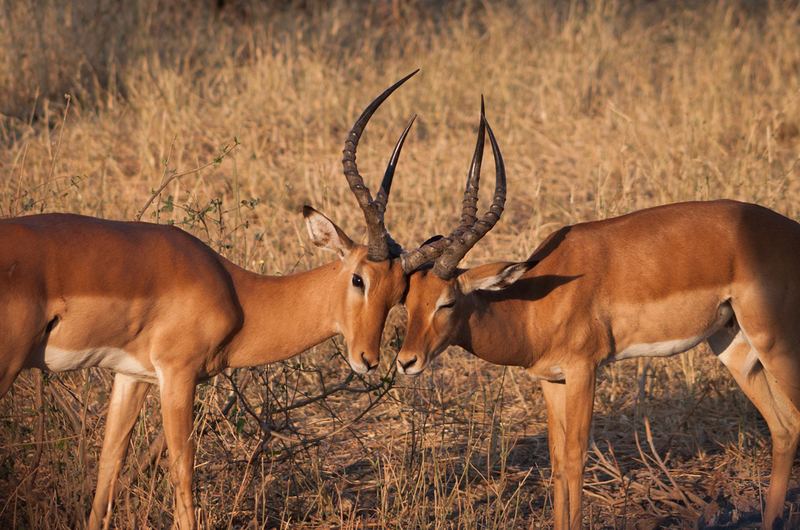
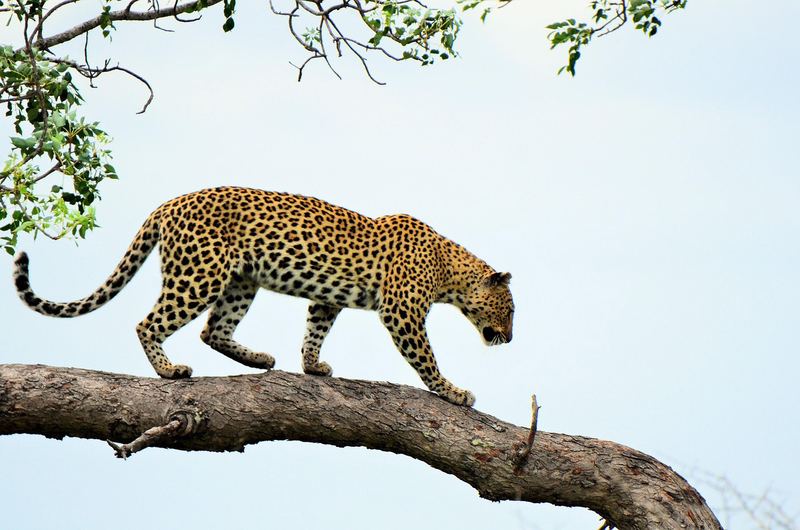
The Tarangire River, baobab trees and open woodland create its characteristic scenery, in contrast to other northern parks.
As water becomes less widespread, animals may concentrate nearer the river and remaining water sources. Their movements still vary.
Elephants are a major interest, but antelope, predators, birds and the baobab landscape add depth to a visit.
Yes. Fresh vegetation and wider water availability change the scenery and can disperse wildlife across a broader area.
Many existing packages name Tarangire among their destinations. Check the related programmes for their actual sequence and time in the park.
Think about baobab shapes, river landscapes and wildlife within its habitat. Carry suitable protection for dust or showers according to the season.
Another perspective on Tanzania
Begin with the place that inspires you
Share your interest in Tarangire, your travel dates and who will be joining you. Tell us what you would like to explore and begin a conversation about your Tanzania journey.


