
Crater panorama
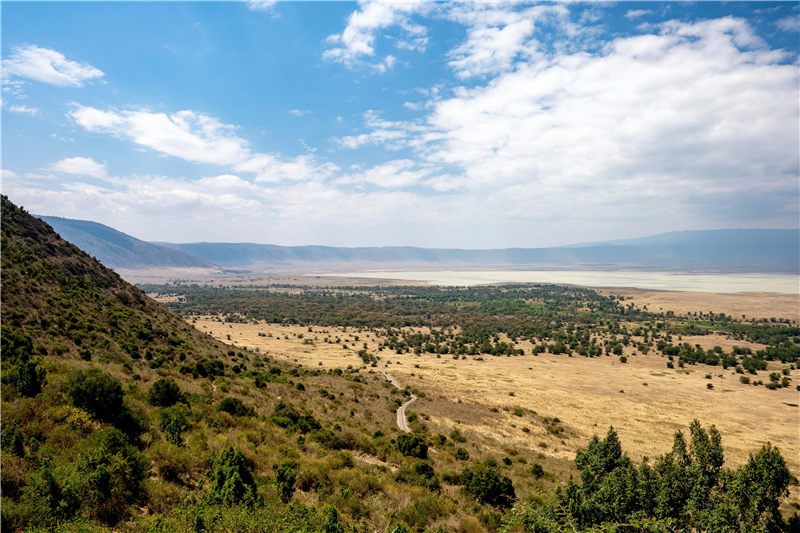
Look across the enclosed basin from the highland rim before exploring the landscape below.
Crater & highlands · Tanzania
A volcanic landscape of crater floor and cool highlands, where scenery and wildlife belong to the same story.
Get to know the place
Ngorongoro Conservation Area is a northern Tanzanian landscape that includes the famous crater and its surrounding highlands. The crater is a volcanic caldera: the broad basin left after a volcano collapsed.
Grassland, wetland and woodland on the crater floor create different wildlife habitats. The elevated rim has a different atmosphere, often cooler than the basin below. It is worth thinking about both perspectives when reading a proposed route.
The character of the destination
Look across the enclosed basin from the highland rim before exploring the landscape below.
Grassland, marsh and woodland create a compact sequence of different environments.
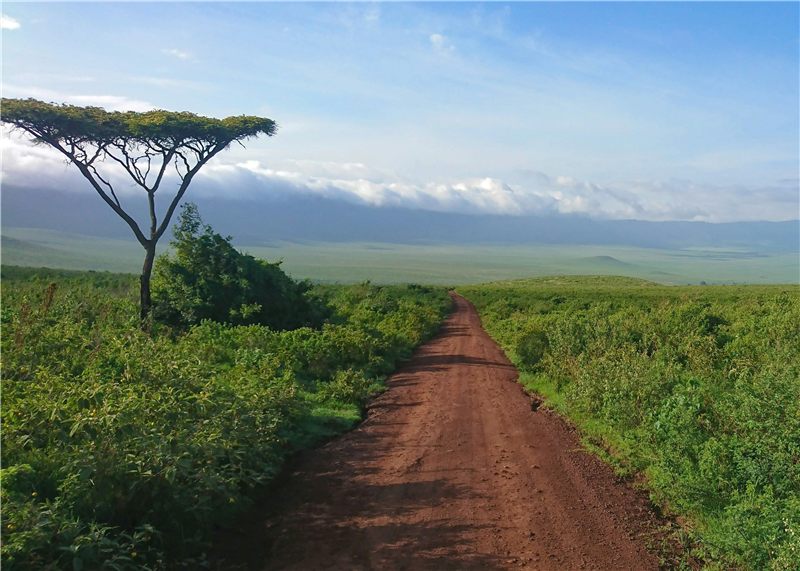
The surrounding slopes and rolling uplands give the conservation area its broader character.
Wildlife & nature
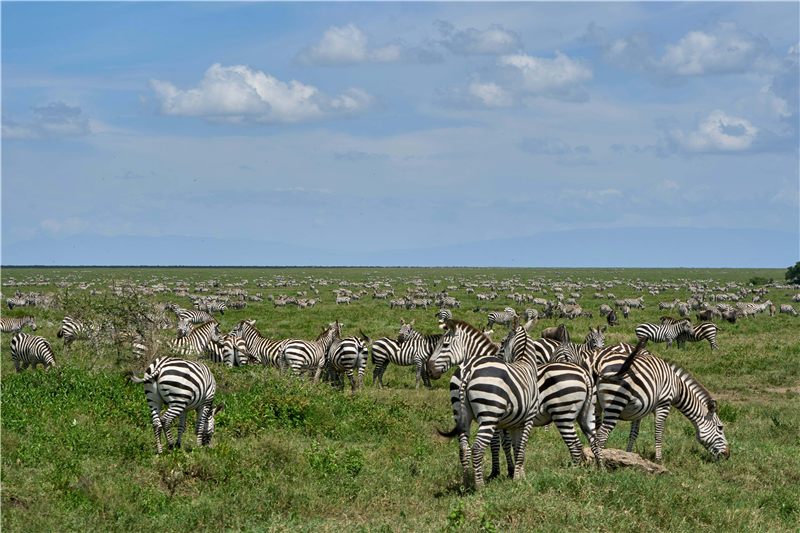
Lions, buffalo, zebra and other grazers inhabit the crater landscape. Black rhino are present, but individual sightings cannot be assumed. Water habitats add another dimension for birdwatchers.
Place & season
Crater wildlife can be observed in different seasons. Conditions on the highland rim and crater floor are not identical.
Seasonal patterns are guidance. Weather, wildlife movements and local conditions can change.
Explore the Safari seasonal guideJune–October
Shorter vegetation can make wildlife easier to observe. Pack a warm layer for the elevated rim.
November–May
Rain can bring lush scenery, mist and wetter tracks. The heavier rains are generally around March–May; allow for changing conditions.
Ways to explore this place
Read the published safari programme for its crater visit and daily pacing.
Explore this interest: Crater game drivesLook for the relationships between wetland conditions and bird activity.
Explore this interest: Bird observationCompare routes that combine the crater with Serengeti, Tarangire or Manyara.
Explore this interest: Northern landscape journeysThese are destination interests. The itinerary or proposal confirms the activities and arrangements for your journey.
From a place to a journey
Tarangire · Lake Manyara · Serengeti · Ngorongoro
Explore Tarangire, Lake Manyara, Serengeti, and Ngorongoro on this 5-day itinerary.
View itinerary: 5-Day Tanzania Adventure Camping SafariNdutu · Central Serengeti · Ngorongoro
A calving-season itinerary through Ndutu, Central Serengeti and Ngorongoro.
View itinerary: 7-Day Great Migration Calving Season SafariTarangire · Lake Manyara · Ngorongoro · Serengeti · Zanzibar · Stone Town
Northern safari parks, followed by Zanzibar’s beaches and Stone Town.
View itinerary: 13-Day Luxury SafariA closer look
No. The crater is one feature within a larger conservation area that also includes surrounding highlands and other landscapes.
It is a large basin formed when a volcano collapses. Ngorongoro's crater floor and steep enclosing rim make that structure particularly visible.
A layer is useful for the elevated crater rim, especially early and late in the day. Conditions lower down can feel different.
No. Black rhino live in the area, but wildlife observation depends on where animals are and the conditions during a visit.
Ngorongoro centres on a volcanic basin and highlands; Serengeti offers a wider sequence of plains and woodland landscapes. Many published northern routes include both.
The related itineraries on this page are drawn from package records that name Ngorongoro. Open each programme to check its actual daily visit.
Another perspective on Tanzania
Begin with the place that inspires you
Share your interest in Ngorongoro, your travel dates and who will be joining you. Tell us what you would like to explore and begin a conversation about your Tanzania journey.


