
Lake and forest together
Lake Manyara brings water-bird habitat and groundwater forest into the same park visit, offering contrasting subjects without reducing the experience to one species.
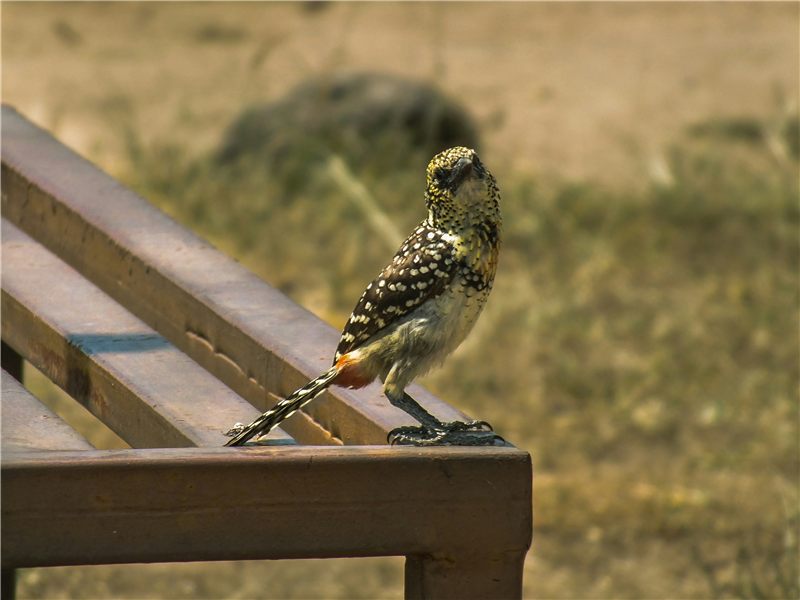
Tanzania / a closer experience
Follow Tanzania's birdlife from lake shores to open plains and forest canopy. Take time to watch behaviour, compare habitats and discover more than the familiar safari mammals.
The experience, explained
Bird watching gives a safari a different rhythm. A lake edge, a patch of woodland or a raptor circling over grassland can each reward a patient stop. Looking at habitat and behaviour adds context to identification, whether you are keeping a species list or simply enjoying the colours and calls.
Tanzania's variety is the main attraction: Lake Manyara's water and groundwater forest, the Serengeti's open country, Ngorongoro's varied surroundings and Zanzibar's coastal habitats offer different possibilities. Choose the places that fit your interests rather than treating birding as a single stop on a standard wildlife route.
Slow down. Look closer.
Watch water birds along lake margins, scan open country for raptors and look into the canopy for woodland birds. Access and the route determine which habitats you reach.
Use quiet stops to notice calls, feeding behaviour and movement between perches. Observations may take place from a vehicle or an authorised walking area; confirm the arrangement.
Resident birds and seasonal visitors change the character of a visit. Share target species as interests, while keeping expectations open to what is present.
Moments to notice
Lake Manyara brings water-bird habitat and groundwater forest into the same park visit, offering contrasting subjects without reducing the experience to one species.
Open Serengeti country lends itself to scanning the sky and observing birds within a broad grassland setting.
Zanzibar's shoreline and mangrove interests can add coastal birding to a mainland safari. Ask which accessible areas suit your stay.
Put the experience in place
The alkaline lake and groundwater forest offer contrasting habitats. Flamingos and other water birds may be present, but numbers and visibility change with conditions.
Explore Lake ManyaraOpen grassland and patches of woodland create opportunities to observe raptors and other savannah birds alongside the wider wildlife landscape.
Explore SerengetiInclude birding interests when discussing a visit to the crater and surrounding highlands. Different elevations and habitats call for a more considered route.
Explore NgorongoroCoastal and mangrove habitats provide a different birding focus from the mainland parks. Confirm local access and the locations that fit your island stay.
Explore ZanzibarChoose your travel window
The best birding season is not always the same as the driest wildlife-viewing season.
For Lake Manyara, the wetter months bring migratory birds alongside resident species. Rain and denser vegetation may affect visibility, so allow time for patient observation.
Drier conditions can make travel and observation easier. Resident birds remain of interest even when seasonal migrants are absent.
Lake levels, vegetation and the presence of migrants vary. Choose locations for the birds and habitats you hope to study, rather than expecting every species everywhere.
Neither a species list nor a large flamingo gathering is guaranteed. The season is a planning guide, not a prediction of what you will see.
Find your kind of experience
Arrive prepared
A sense of place
Good to know
No. Beginners can enjoy learning to recognise habitats, shapes, calls and feeding behaviour. Tell us your level of interest so the proposed pace and locations reflect it.
At Lake Manyara, November to May is especially relevant for migratory birds. Wetter weather can also affect access and visibility, so it calls for flexibility rather than a guaranteed species tally.
No. Bird numbers and locations respond to water and feeding conditions. The park offers other water-bird and forest interests even when a particular gathering is not visible.
Yes, as planning interests. Share your target species and dates, but no sighting is assured and not every habitat will fit a single itinerary.
No. Observation can be vehicle-based or from a permitted walking area, depending on the location. Confirm the access arrangement rather than assuming that a birding stop permits free walking.
The mainland and coast offer different habitats. A Zanzibar extension can broaden the focus to shoreline and mangrove interests; ask which accessible sites fit your island stay.
Another way to explore
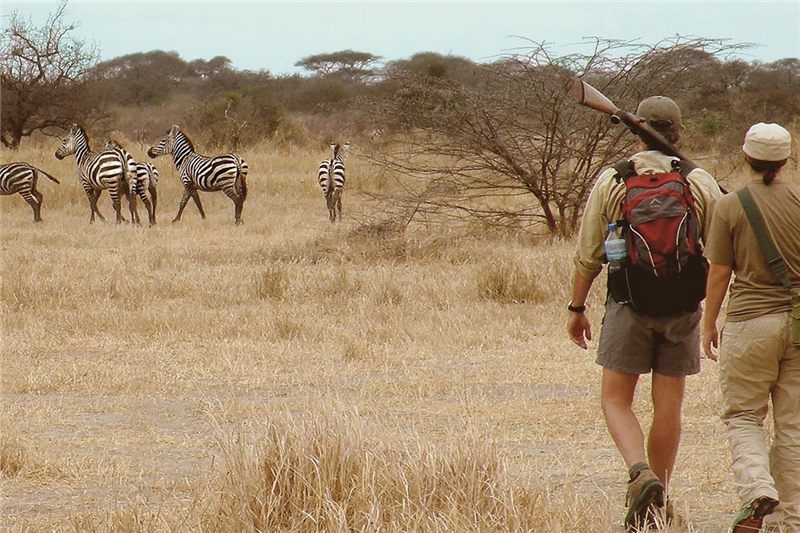
Look more closely at animal tracks, birds and the landscape on foot.
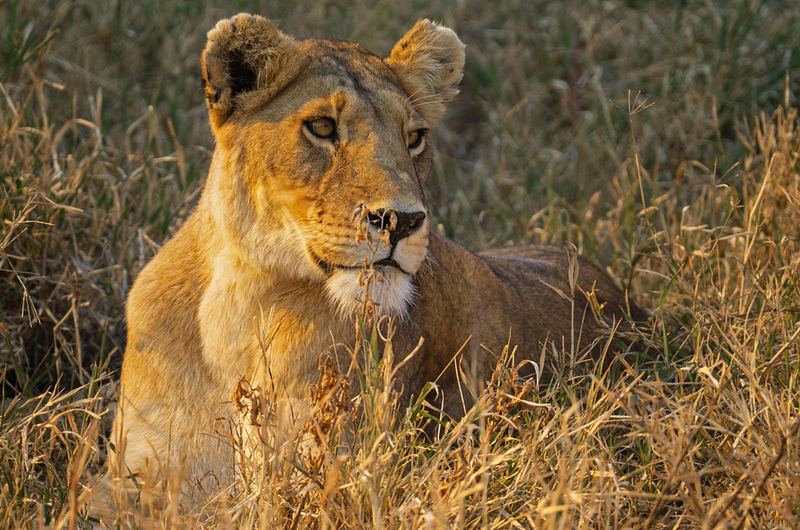
Explore existing wildlife itineraries and safari styles across Tanzania.
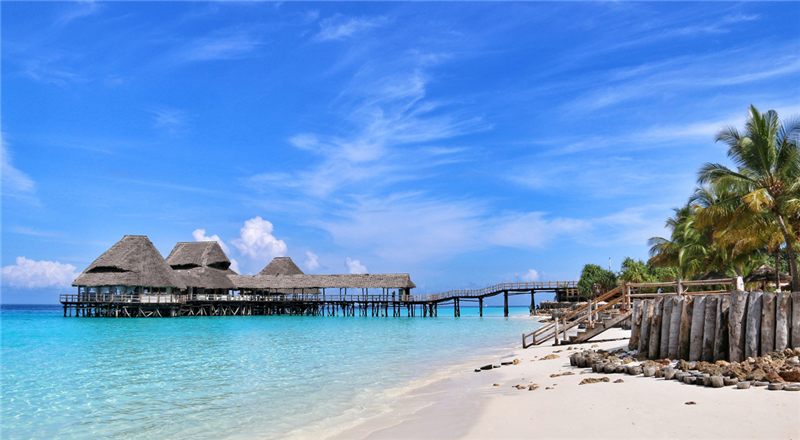
Discover beaches, Stone Town and island experiences along the Swahili coast.
Dedicated private consultation
Tell us a little about your travel plans and our team will help shape the journey around you.