Mahale Mountains
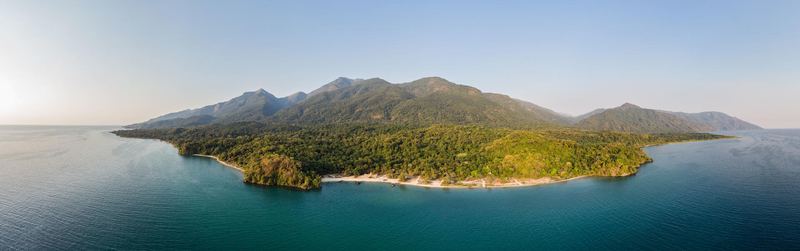
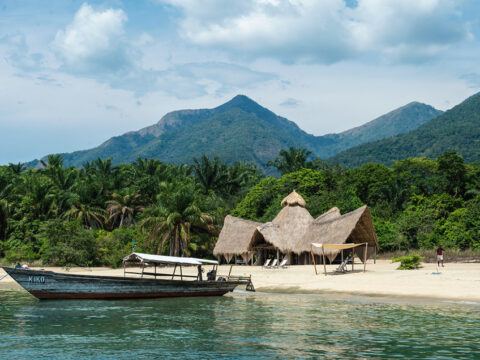
Forest and lakeshore scenery accompany chimpanzee interests.
Western circuit · Tanzania
Lakeshore forests and seasonal floodplains offer two very different perspectives on western Tanzania.
Get to know the place
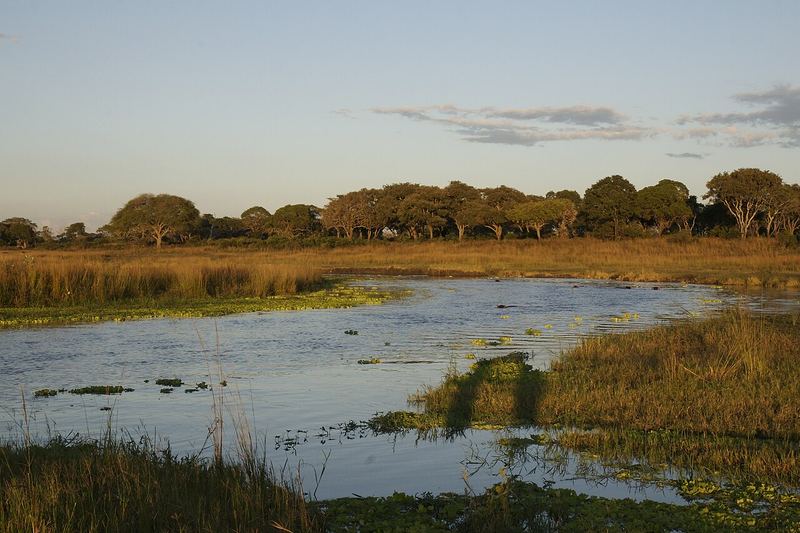
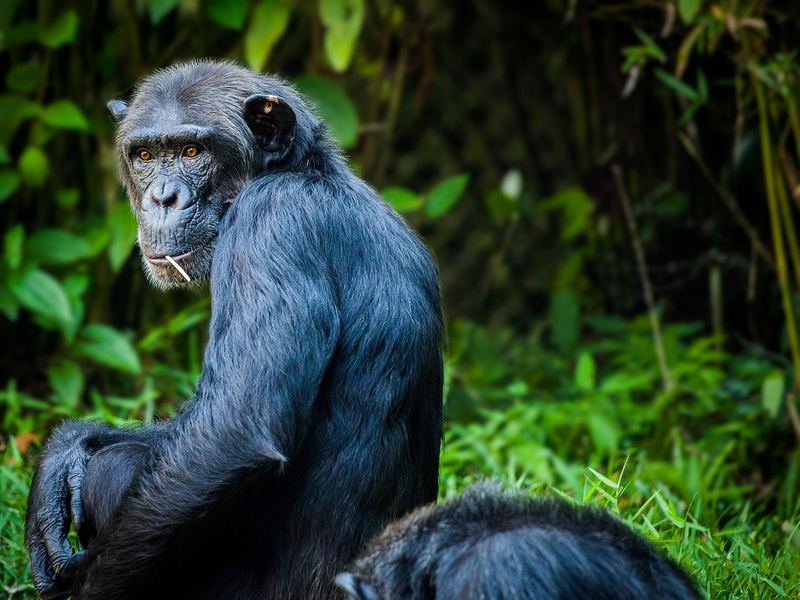
Mahale and Gombe bring chimpanzee forest interests to the Lake Tanganyika setting. Katavi introduces floodplain and woodland wildlife elsewhere in the west. These are distinct destinations, not three versions of the same safari stop.
A western journey needs deliberate access and sequencing. Compare walking expectations, wildlife interests and proposed transfers before choosing which places belong in your itinerary.
The character of the destination
Forest and lakeshore scenery accompany chimpanzee interests.
Wooded ridges and a primate research legacy give this forest its identity.
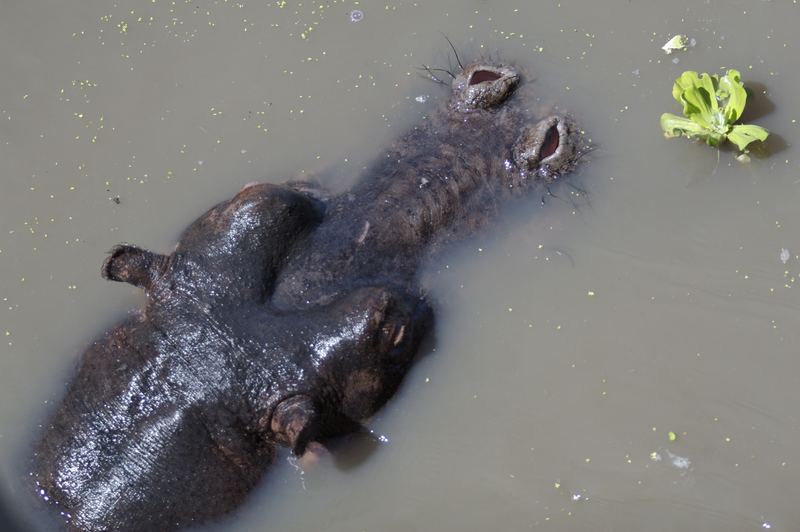
A strong wet–dry rhythm shapes a different wildlife landscape.
Wildlife & nature
Forest primates and floodplain mammals involve different ways of observing nature. Walking preparation and responsible great-ape viewing are central to the forest destinations; Katavi has its own river and plains interests.
Place & season
June–October is a useful starting window for many western interests, with the actual route and forest conditions still important.
Seasonal patterns are guidance. Weather, wildlife movements and local conditions can change.
Explore the Safari seasonal guideJune–October
Consider forest walking and Katavi's remaining-water habitats as separate interests within the journey.
November–May
Forest paths and western tracks can become wetter. Review transfers and the practical programme for the chosen dates.
Ways to explore this place
Read Gombe and Mahale separately to compare the landscapes and proposed exploration.
Explore this interest: Forest primate interestsKatavi's guide introduces its water, woodland and open-country habitats.
Explore this interest: Floodplain wildlifeMahale's setting brings the forest and Lake Tanganyika into the same destination.
Explore this interest: Lake and landscape interestsThese are destination interests. The itinerary or proposal confirms the activities and arrangements for your journey.
Explore the circuit, one place at a time
3 destinations
Seasonal floodplains and lakes shape this western wildlife destination, with a focus on its changing landscapes.
Calle v H · CC BY 2.0 (resized/cropped) Explore Destination: Katavi National ParkForested mountains meet Lake Tanganyika, with chimpanzee interests forming part of the park's natural appeal.
Explore Destination: Mahale Mountains National ParkForested slopes near Lake Tanganyika are known for chimpanzees and the history of primate research.
Explore Destination: Gombe Stream National ParkA closer look
The existing guides cover Mahale Mountains, Gombe Stream and Katavi National Park.
No. Mahale and Gombe have chimpanzee forest interests; Katavi is a floodplain and woodland wildlife destination.
No. Their separate settings and access requirements need to be considered before assuming one continuous route.
Forest interests involve walking on changing terrain and current great-ape viewing rules. Katavi focuses on a different plains and water-habitat landscape.
No. The species and habitats introduce relevant interests, but wildlife movements and conditions shape actual observation.
Choose the forest, lake or floodplain interests that matter most, then share your dates, group and walking considerations through the inquiry links.
Begin with the place that inspires you
Share your interest in Western Tanzania, your travel dates and who will be joining you. Tell us what you would like to explore and begin a conversation about your Tanzania journey.