
Tracks tell a story
Footprints and other signs offer clues about how animals use the same landscape, even when the animals themselves remain out of sight.
Tanzania / a closer experience
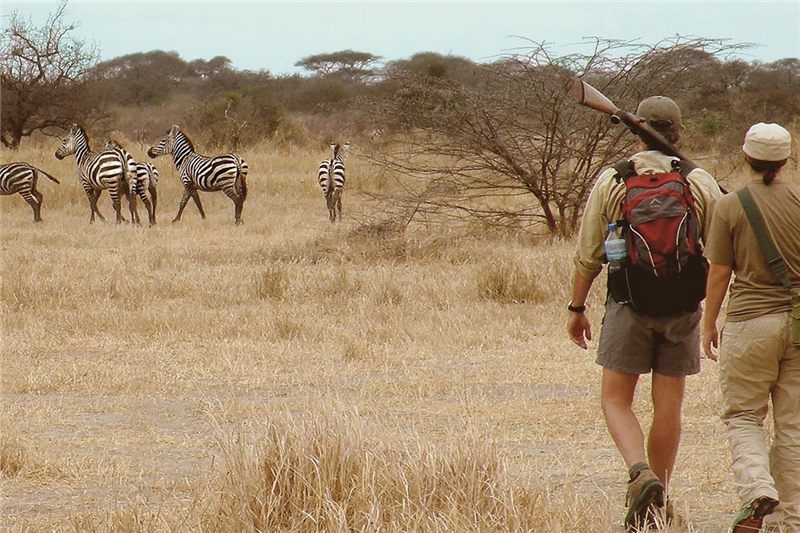
Read the savannah at walking pace: a print in the dust, a bird call, a change in the grasses. A nature walk brings Tanzania's smaller details into focus.
The experience, explained
A walking safari changes what you notice. Instead of covering distance in a vehicle, you spend time reading the ground and listening to the surrounding landscape. Tracks, droppings, plants and bird calls can reveal activity that would otherwise pass unnoticed.
This is an opportunity to understand an ecosystem through its details, not a promise of close encounters with large animals. The walking area, supervision and route need to be agreed for your particular visit. A national park being on your itinerary does not mean that you may walk wherever you wish.
Slow down. Look closer.
Confirm the approved walking area and arrangements, then follow the accompanying guide or ranger's instructions throughout. The route and conditions shape the experience.
Pause to examine tracks, changing vegetation and small signs of animal activity. Binoculars are useful for birds and distant wildlife without moving closer.
Terrain may include uneven ground, exposed stretches and vegetation. Discuss distance and pace in advance, and keep the emphasis on observation rather than covering as much ground as possible.
Moments to notice
Footprints and other signs offer clues about how animals use the same landscape, even when the animals themselves remain out of sight.
At ground level, grasses, trees and bird calls become part of the safari story rather than background scenery.
Patterns in bark, tracks and smaller subjects invite a different approach from vehicle-based wildlife photography.
Put the experience in place
TANAPA lists walking among Tarangire's activities. Its savannah and baobab landscape provide a useful starting point for discussing a permitted, supervised walk. Confirm the exact area and current arrangements.
Explore TarangireChoose your travel window
For a northern-circuit walk, ground conditions and heat matter as much as the wildlife season.
Generally drier conditions can make walking surfaces easier to manage, though exposed paths may be dusty and sunny.
The long rains can bring muddy or slippery stretches and thicker vegetation. Ask about local access and route conditions instead of assuming the same walk is suitable year-round.
Rainfall around October to December can refresh the vegetation. Carry protection from showers and let local conditions guide the final walking plan.
A dry season does not remove wildlife or terrain risks. The permitted route, supervision and conditions on the day take priority over a calendar.
Find your kind of experience
Arrive prepared
A sense of place
Good to know
The focus shifts to tracks, plants, bird calls and smaller details. You generally cover less ground and spend more time observing the immediate surroundings.
Do not assume that walking is allowed wherever a road safari goes. Confirm the designated area and accompanying guide or ranger arrangements for the proposed activity.
No. Wildlife may be present, but a walk should not be planned around close encounters. Observe from the distance set by the accompanying guide and follow instructions.
There is no single distance for the activity. Ask about the actual route, terrain and intended pace before deciding whether it suits your group.
Age and suitability requirements depend on the walking area and arrangements. Include children's ages in your enquiry so those requirements can be checked; no blanket age limit is assumed.
They can complement one another within a wider safari, subject to the permitted walking location and itinerary. Ask how the activity could fit your existing park visits.
Another way to explore
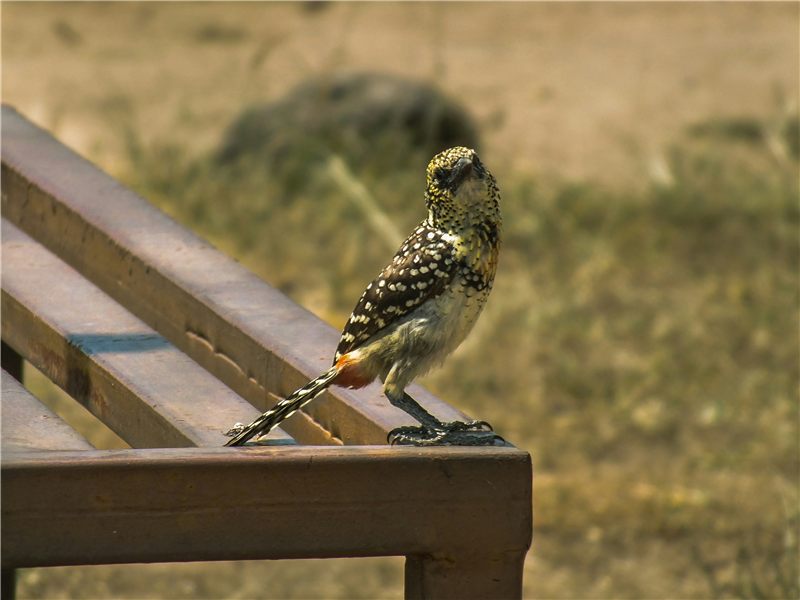
Explore birdlife across lake, grassland, forest and coastal habitats.
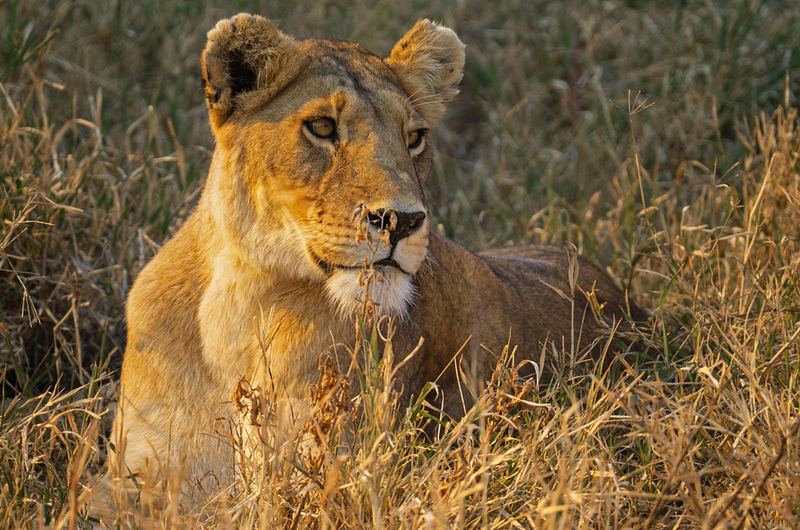
Explore existing wildlife itineraries and safari styles across Tanzania.
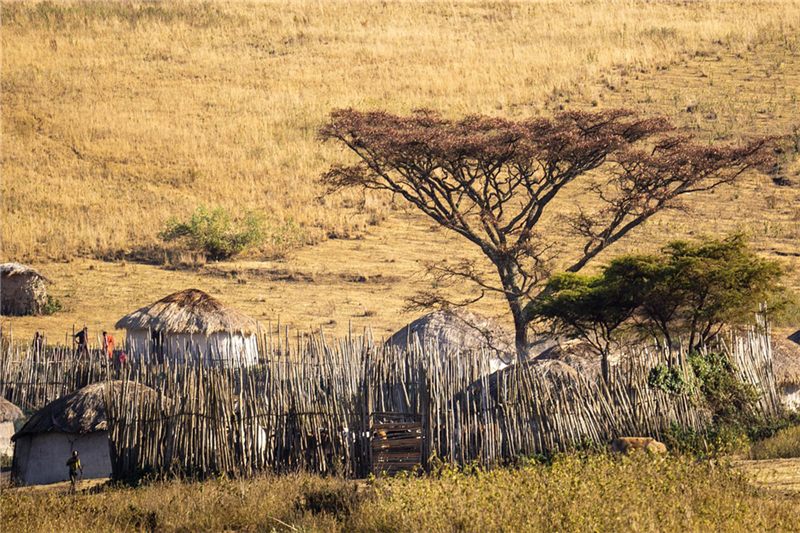
Explore local traditions, village life and Tanzania's cultural heritage.
Dedicated private consultation
Tell us a little about your travel plans and our team will help shape the journey around you.